

Fitness5 min read
Ibiza, known today for its vibrant culture and stunning landscapes, has a rich history reflected in the many names it has carried over the centuries. Let's take a journey through time and uncover some fascinating facts from each era.
The Phoenicians, master traders and sailors, were among the first to leave their mark on Ibiza, calling it Ibosim. This period saw Ibiza establish itself as a key trading post in the Mediterranean, laying the foundations for its multicultural heritage. The Phoenicians valued Ibiza for its strategic location, which facilitated trade routes across the Mediterranean. They introduced early urban planning and commerce, setting the stage for the island's future prosperity.
When the Carthaginians arrived, they renamed the island Ebusus. This period saw Ibiza flourish as a major commercial hub, with bustling markets and a thriving economy that extended its influence across the Mediterranean. The Carthaginians enhanced the island's infrastructure, including the construction of harbors and fortifications. Ebusus became renowned for its production of salt and agricultural products, which were traded throughout the Carthaginian empire.
Under Roman rule, Ibiza became known as Insula Augusta. The Romans brought significant infrastructure development, including roads and aqueducts, integrating the island into the vast Roman Empire. During this era, Ibiza saw the construction of important public buildings and baths, which improved the quality of life for its inhabitants. The island became a crucial part of the Roman trade network, connecting it with other parts of the empire.
During the Arab rule, people called Ibiza Yebisah. This era introduced advancements in agriculture and irrigation, turning the island into a prosperous agricultural hub. The influence of Arabic culture can still be seen in local architecture and traditions. Two of these infrastructures, Ses Feixes and Es Broll de Buscastell, stand as magnificent examples of the legacy left by Andalusian water engineers. The Arabs also brought new crops and farming techniques, which significantly boosted the island's productivity.
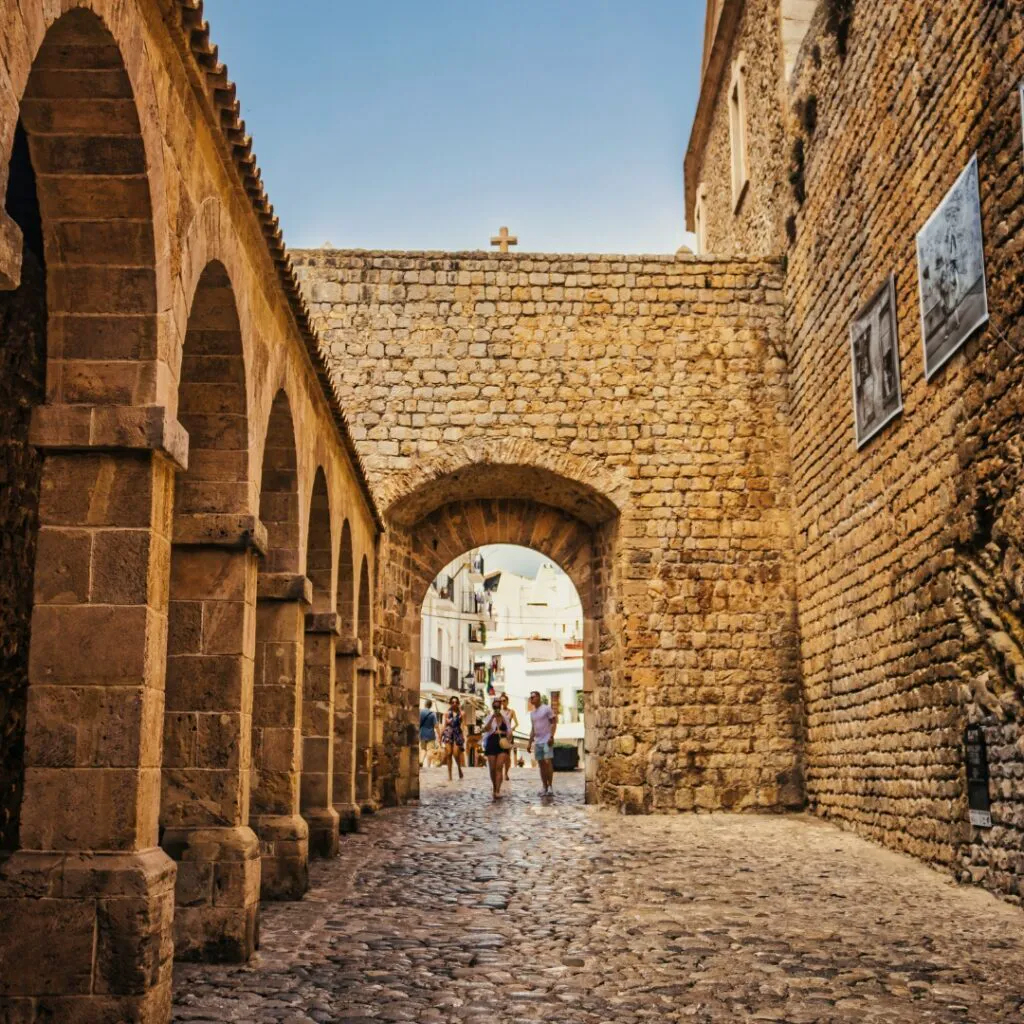
The Catalan name Eivissa, which evolved into the current Ibiza, symbolizes the island’s cultural and linguistic integration during the Reconquista. This period redefined Ibiza’s identity, blending diverse influences from its rich past. The Catalan settlers introduced new architectural styles and fortifications, many of which still stand today. Eivissa became a melting pot of cultures, incorporating elements from its Phoenician, Carthaginian, Roman and Arab past.
From the Phoenicians to modern times, each era has left its unique mark on Ibiza, creating a tapestry of history that continues to shape its vibrant culture. Today, Ibiza is renowned for its dynamic blend of historical heritage and contemporary lifestyle, attracting visitors from around the world. The island's ability to integrate diverse cultural influences has made it a unique and vibrant destination.
Ready to dive deeper into Ibiza’s rich history? Download the behyve app and follow us on Instagram and immerse yourself in the island's culture through our unique services. From historical tours to cultural events, behyve offers you the chance to explore Ibiza like never before.